Konvey Blog
Insights for Professional Services Firms
Guides and commentary on how AI actually gets used inside Australian and New Zealand professional service firms.

What each Copilot licence covers
Copilot is Microsoft's AI assistant, and the name now covers several versions that can reach different things. This piece covers what Copilot is, how it spread through Microsoft 365, what each version can and can't do, how people tend to use it, what it can do in Outlook, PowerPoint and Excel, and how Copilot training can match those features to the work each team does.
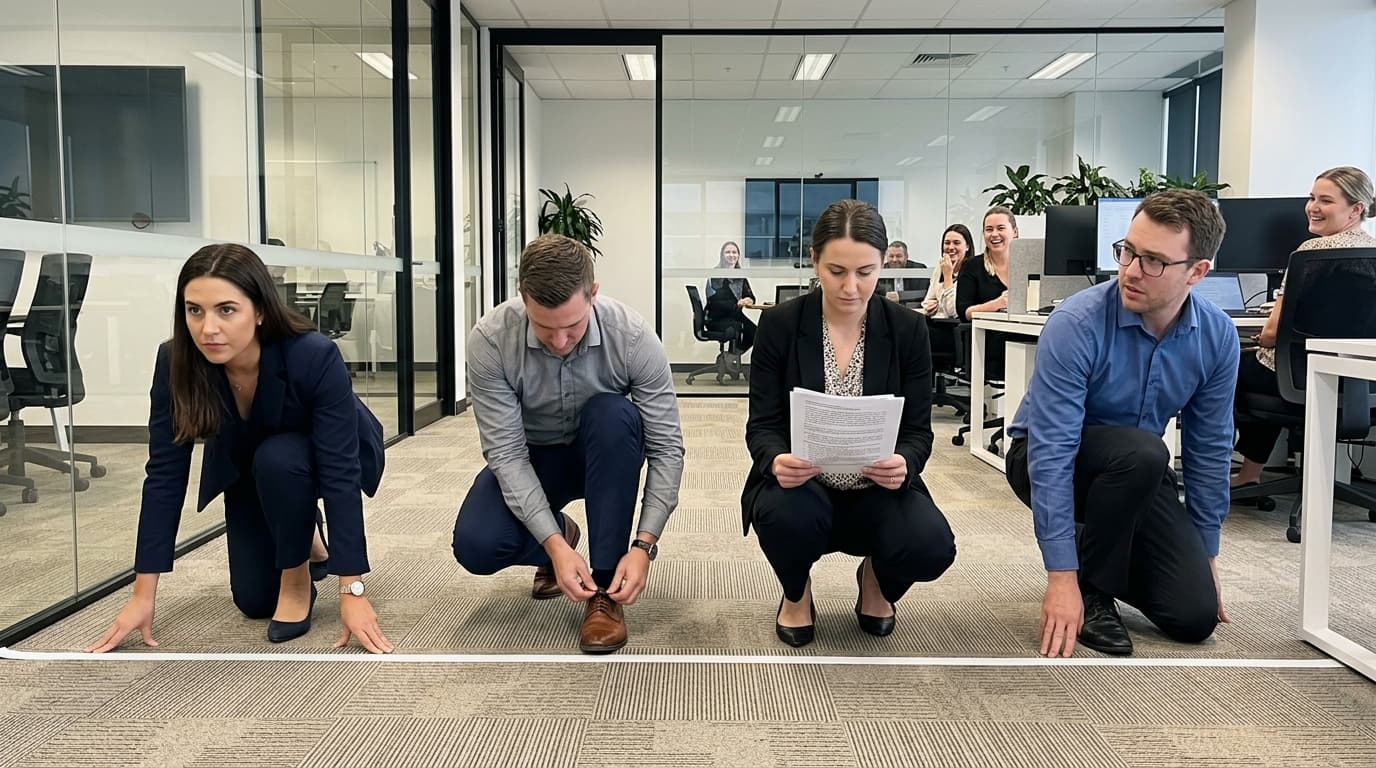
How ready is your firm
AI readiness describes how far along a firm is with AI. For this article, we assess it across six areas: the tools in use, the work they do, policy, training, systems and budget. This piece covers what AI readiness means, the figures on how ready people feel, the levels of an AI maturity model, and a self-assessment your firm can run on its own.

When the computers arrived
A practical look at AI change management for professional firms. Computers took years to settle into Australian businesses, and they paid off best alongside skilled people and reorganised work. We set out what that history suggests for AI, what success can look like for a team, and five small changes to start with.

Is AI helping or hindering our decision fatigue?
Decision fatigue is the idea that each decision a person makes wears down the ones that follow. This piece covers what the research shows and what it does not, how AI changes the decisions people in professional firms make each day, and what a firm can do about the load.
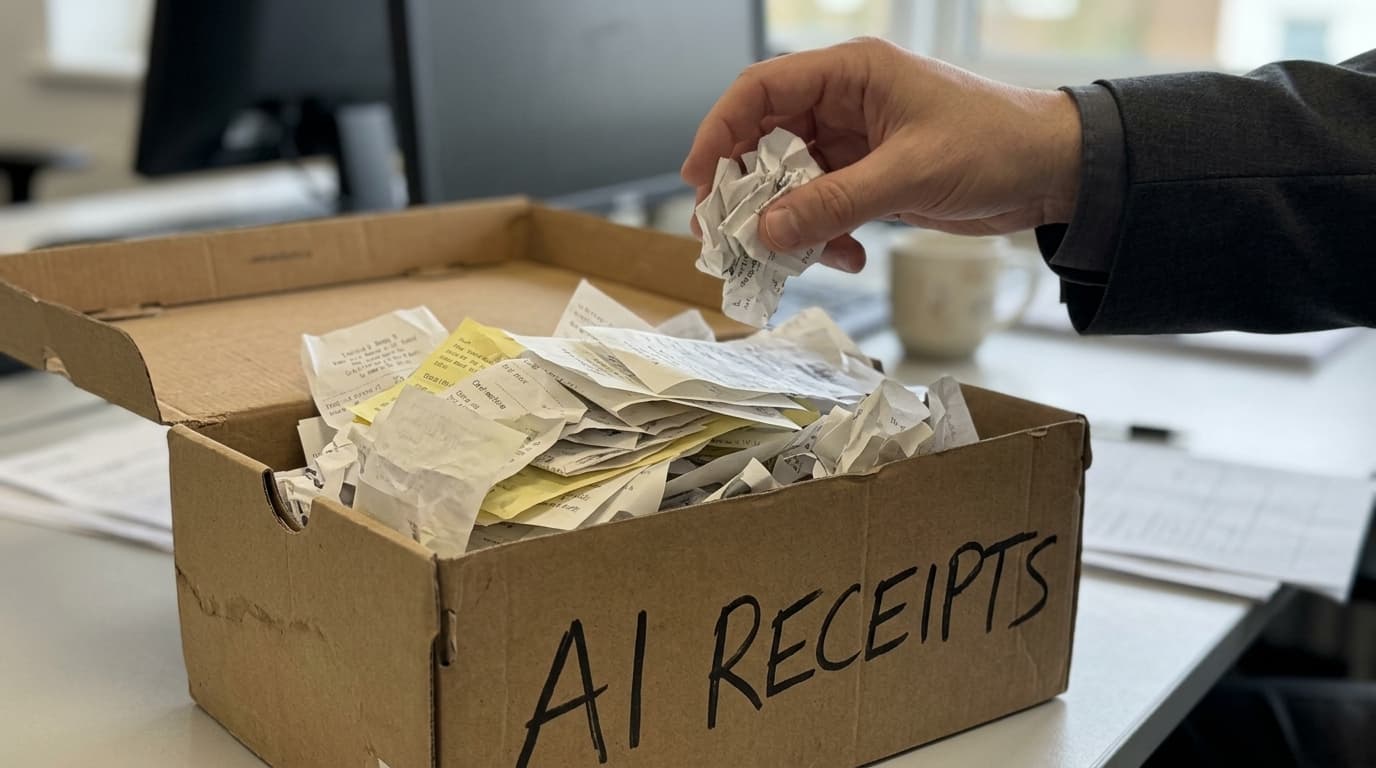
Reviewing your AI subscriptions to get the best returns
Much of what a firm pays for AI can arrive in small amounts: an upgraded plan, a top-up of credits, a tool claimed back on expenses. This piece looks at how that spending builds up, what recent research says about where it lands, and how a firm can review its AI subscriptions so it decides where the money goes.

Will AI replace accountants?
Accountants are on Treasury's list of the occupations most exposed to AI, and many in the profession are wondering what that means for their own work. This piece covers what the Australian research says about AI and accounting work, the shortage of accountants and the demand for their work, where the risk sits for graduates and junior staff, and how a firm can train its juniors with AI as part of the program.

Building AI skills across the firm
AI skills cover understanding what a tool is doing, using it well in your own work, and knowing when a person needs to check what it produces. This piece looks at what those skills are, why they matter in every role from the front desk to the partners, what people and firms are doing about them at the moment, and how a firm can work out what each role needs.

AI training for the whole firm
AI training is how people in a firm learn to use the AI tools and get better with them over time. This piece looks at what AI training covers, the levels it runs at, why the whole firm starts from the same place, where checking fits, and how to set up AI training that lasts.
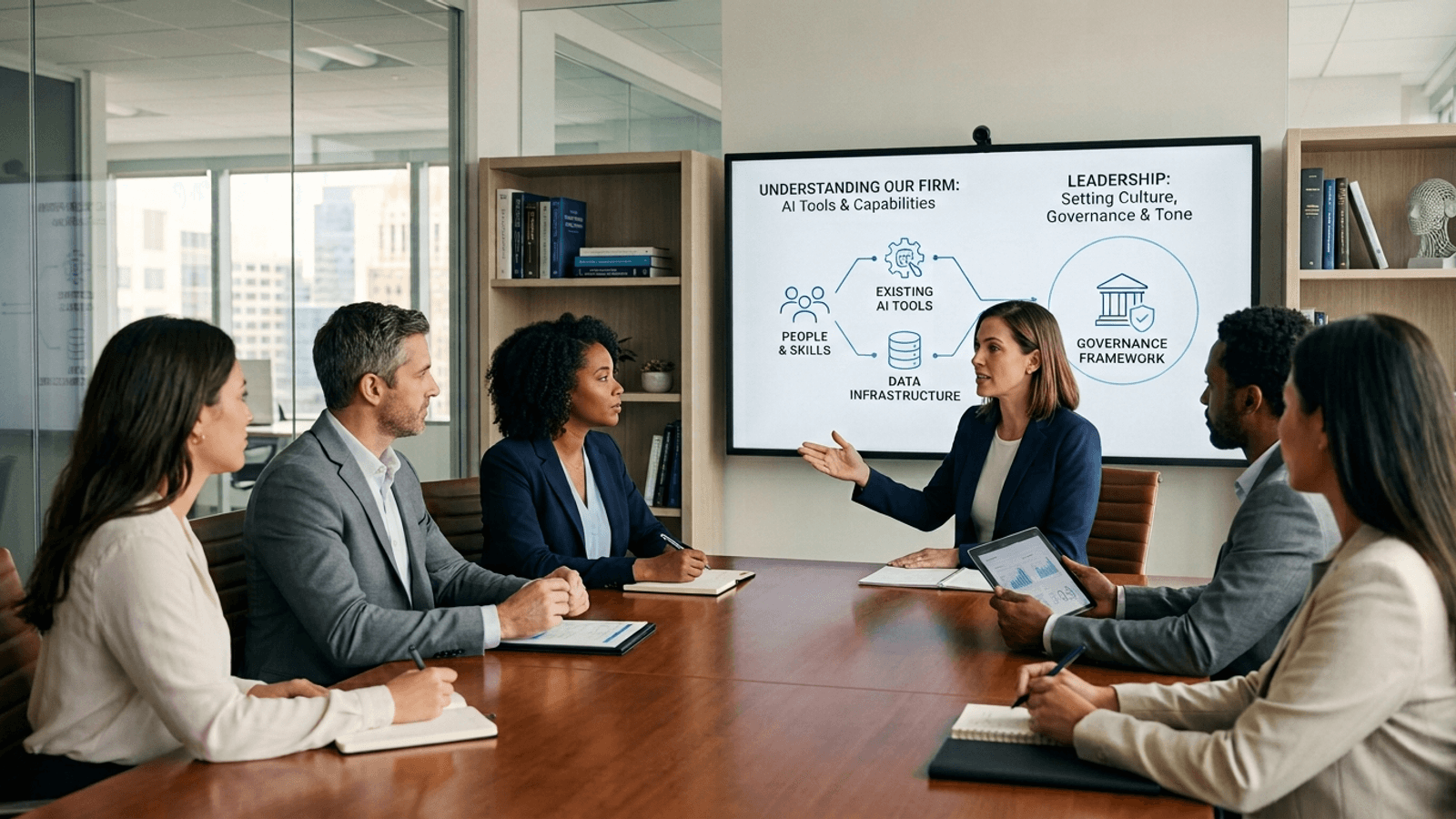
Leaders go first
AI for managers and partners starts with understanding what the firm's tools and people can do, so leaders can set the tone, the culture and the governance for AI. This piece looks at why AI belongs on the leadership agenda alongside cyber security, how a team takes its cue from its leaders, how decisions about AI get made, and what leaders need to know about the tools and their people.

Burnout in law
Australian research now gives a detailed picture of lawyer burnout and the workplace conditions associated with it. We look at what the 2025 Victorian Lawyer Census found about workload and workplace conditions, how AI is changing the work lawyers need to check and supervise, and which parts of the working environment a firm can change.

Burnout in accounting
Australia has its first industry-wide measure of wellbeing among accountants and bookkeepers, and it puts the profession below national benchmarks for mental health and wellbeing. This piece covers what burnout is, what the Australian evidence shows and where it runs thin, how the lodgment calendar shapes the load, what the research says about AI and workload, and what a practice can plan around its peaks.
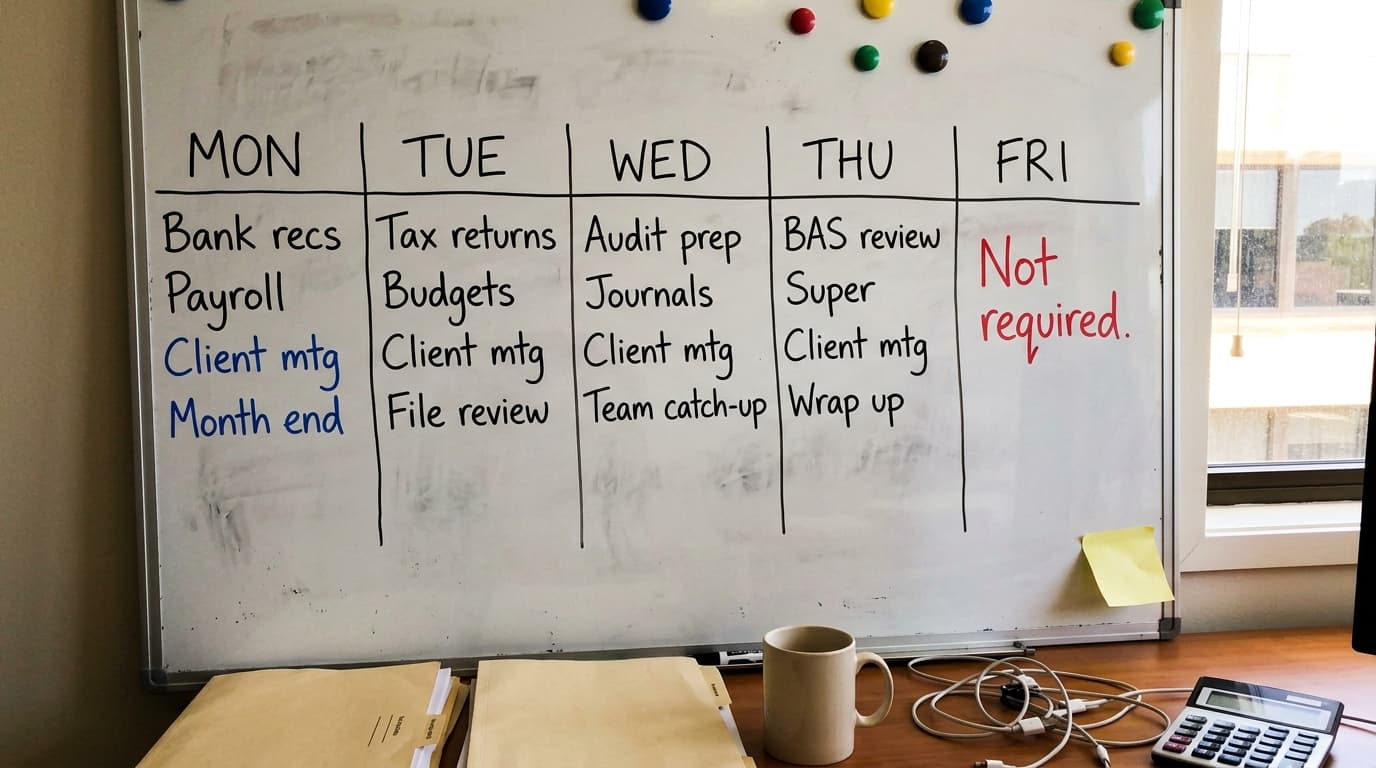
What to do with the time AI gives back
AI can give some time back to people in professional firms, and the four-day work week is one of the ways a firm could use it. This piece looks at what has happened to productivity and working hours since Keynes, what the four-day week trials found and where they fall short, what a shorter week means for firms that bill by time, and where a firm can look for that time across its whole team.

Value, time and productivity: what are we working for?
For more than a century, better technology meant a shorter working week. Since 1983 the standard hasn't moved. Here is what the last three industrial revolutions can teach firms about this one.
What a four-minute job costs
People in professional firms switch between tasks and screens throughout the day, and AI has added a new kind of switch. This piece looks at what the research on context switching says, why it matters for work that needs a clear head, what AI is doing to it, and how a firm can set AI up so the work stays in one place.

What counts as a productive day
Productivity means different things to an economist, a firm and the person doing the work. What the research says AI is doing to it, and how to measure it.
Who owns AI in your firm?
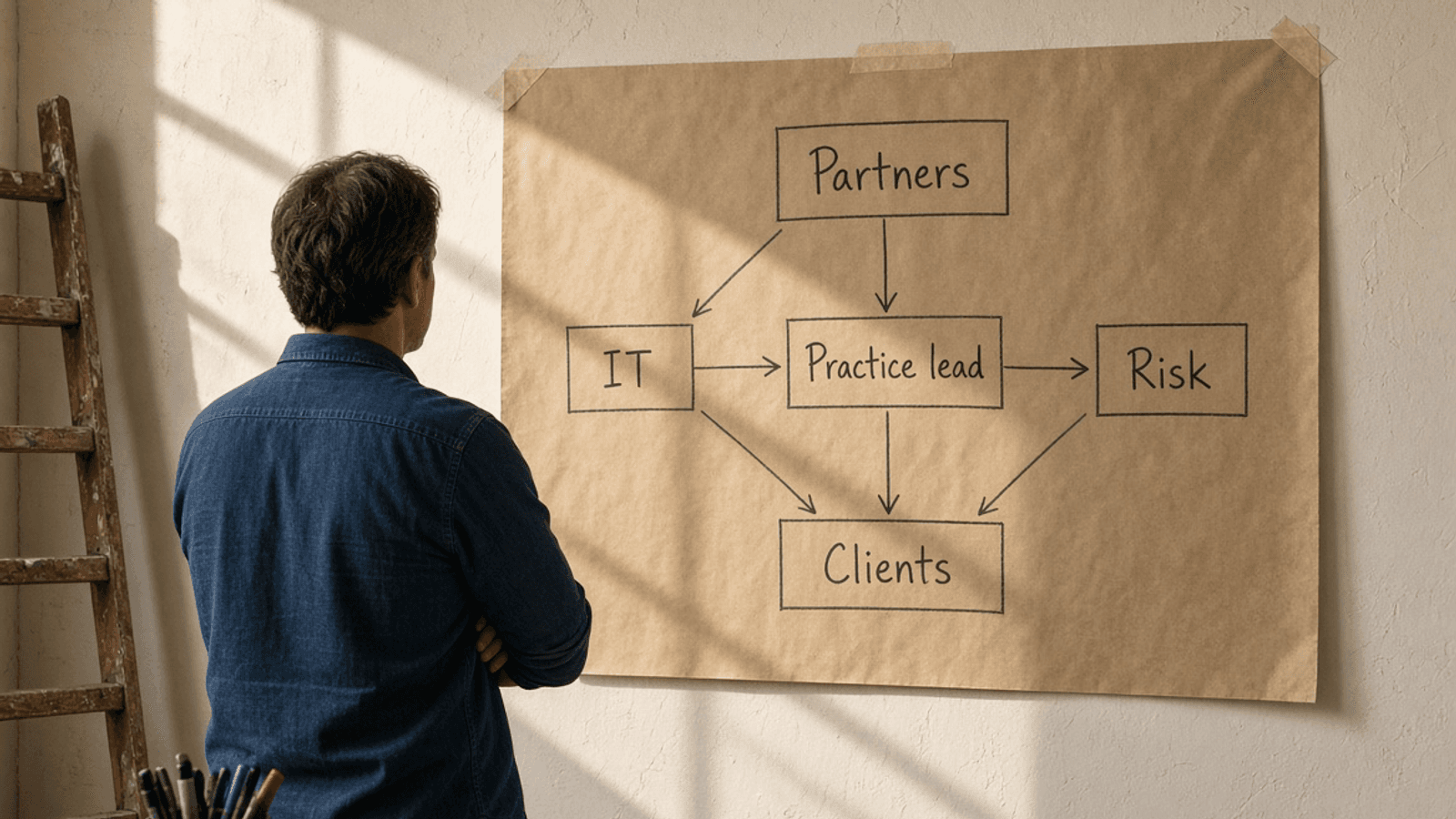
AI in a firm can end up with one person, who took it on out of interest. This piece looks at what that job involves, why its answers need the partners behind them, what the research says about partners and clients, and six decisions to take to a partners' meeting that give AI a home in the firm.

Why AI can sound confident when it's wrong
Large language models generate text by predicting likely next tokens from patterns in their training and in the material they are given. That process can produce a real reference or a plausible invented one in equally fluent language, and research finds the confidence in a model's wording is a poor guide to whether it is right. This piece explains where that confidence comes from, a practical way to judge which tasks need the most checking, and three habits that help a team decide what to check before work leaves the firm.

Are you the human in the loop?
Human in the loop is the phrase firms reach for when they talk about checking AI. This piece looks at what the phrase means inside a firm, what the Supreme Court of New South Wales and the Tax Practitioners Board now expect, and how a firm can name where a person reads the work and who that person is.
What is workslop?
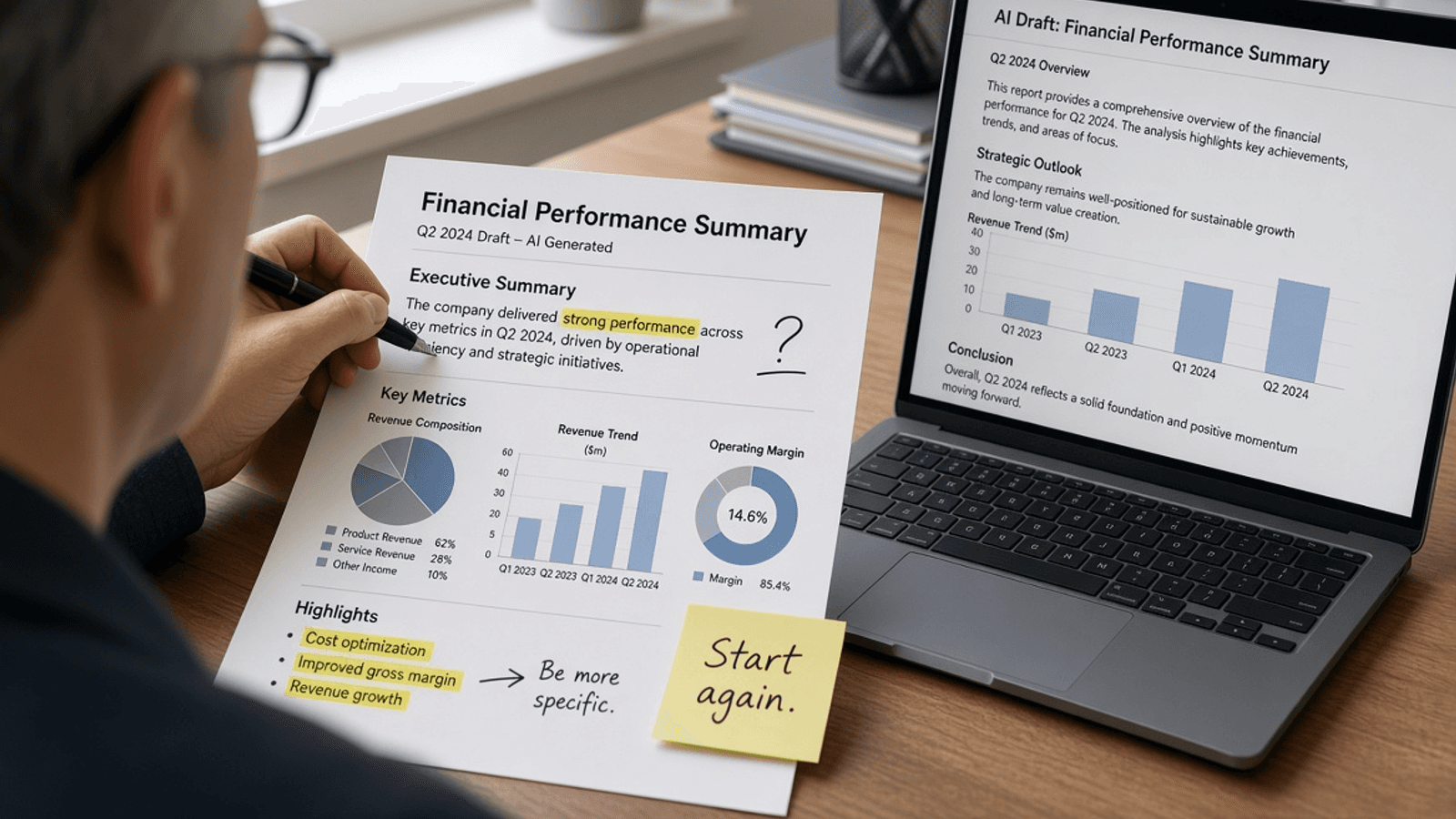
Workslop is low-effort, AI-generated work that can look finished at a glance but leaves the person who receives it to do the thinking. This post covers the research on it, what Australian courts and regulators have said about unchecked AI output, and how a firm can decide which work AI drafts and how closely it is reviewed.

Will AI replace lawyers?
Will AI replace lawyers? So far, the Australian research gives little sign of lawyers being replaced. This post covers what AI is doing in legal work at the moment, what the evidence shows about lawyer jobs, capacity and the people leaving the profession, why junior lawyers need a firm's attention, and what a training program for juniors with AI built into it can look like.
Shadow AI: when everyone brings their own tools to the table
Staff at law and accounting firms are finding AI tools on their own, and many are doing good work with them. This piece looks at what shadow AI is, why it matters for both productivity and safety, and six steps a firm can take to bring it into view.
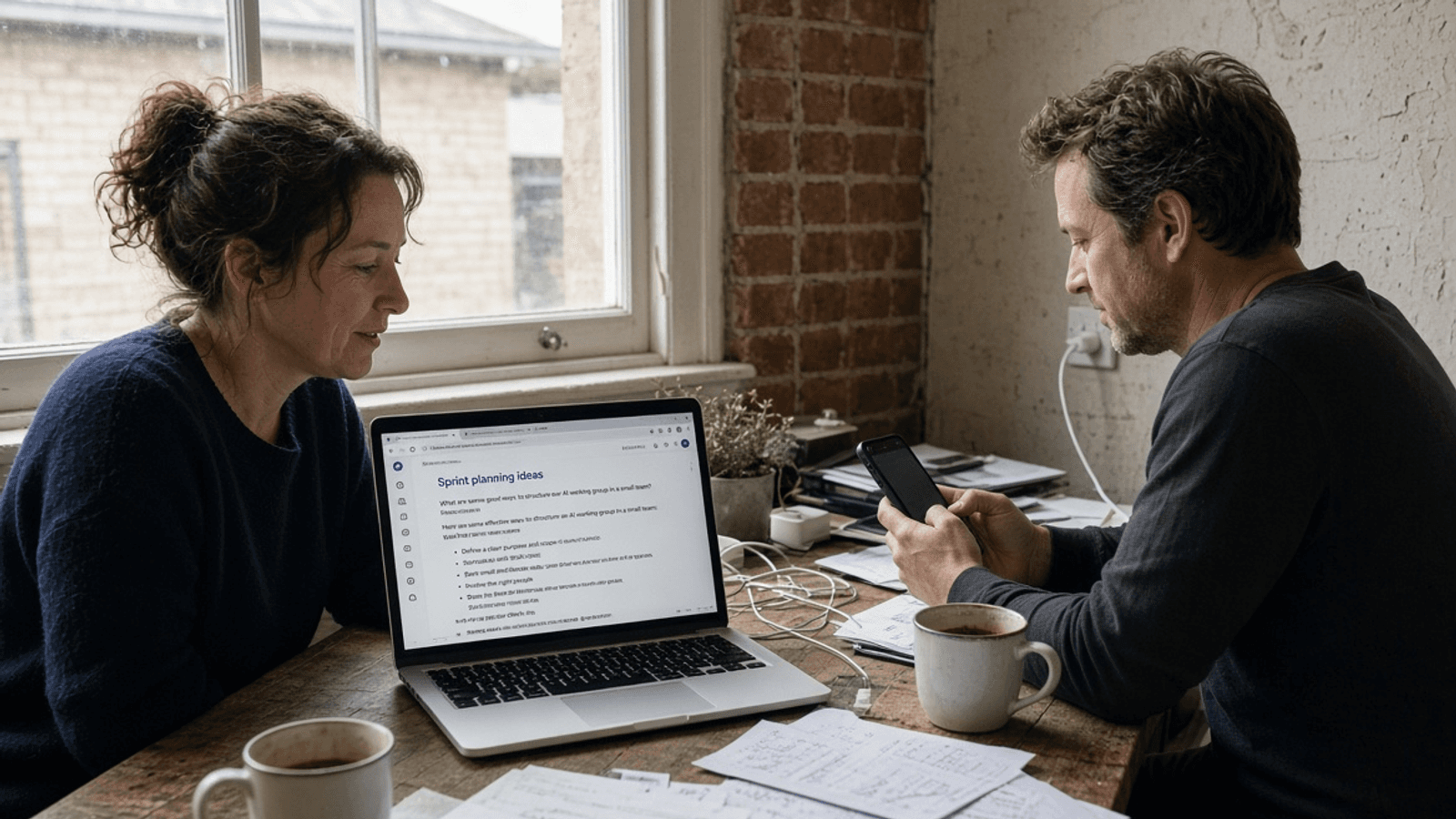
Building a Champion AI Team
Most firms already have AI champions. Almost none have a champion team. What forty people teaching themselves separately quietly costs a firm.

Shadow IT vs Shadow AI
Shadow IT and shadow AI start with the same instinct: a staff member finds a tool that helps with their work. This piece looks at how AI tools can reach a firm by a different route, what that means when staff build their own apps with AI, and four steps for bringing those tools into the open.
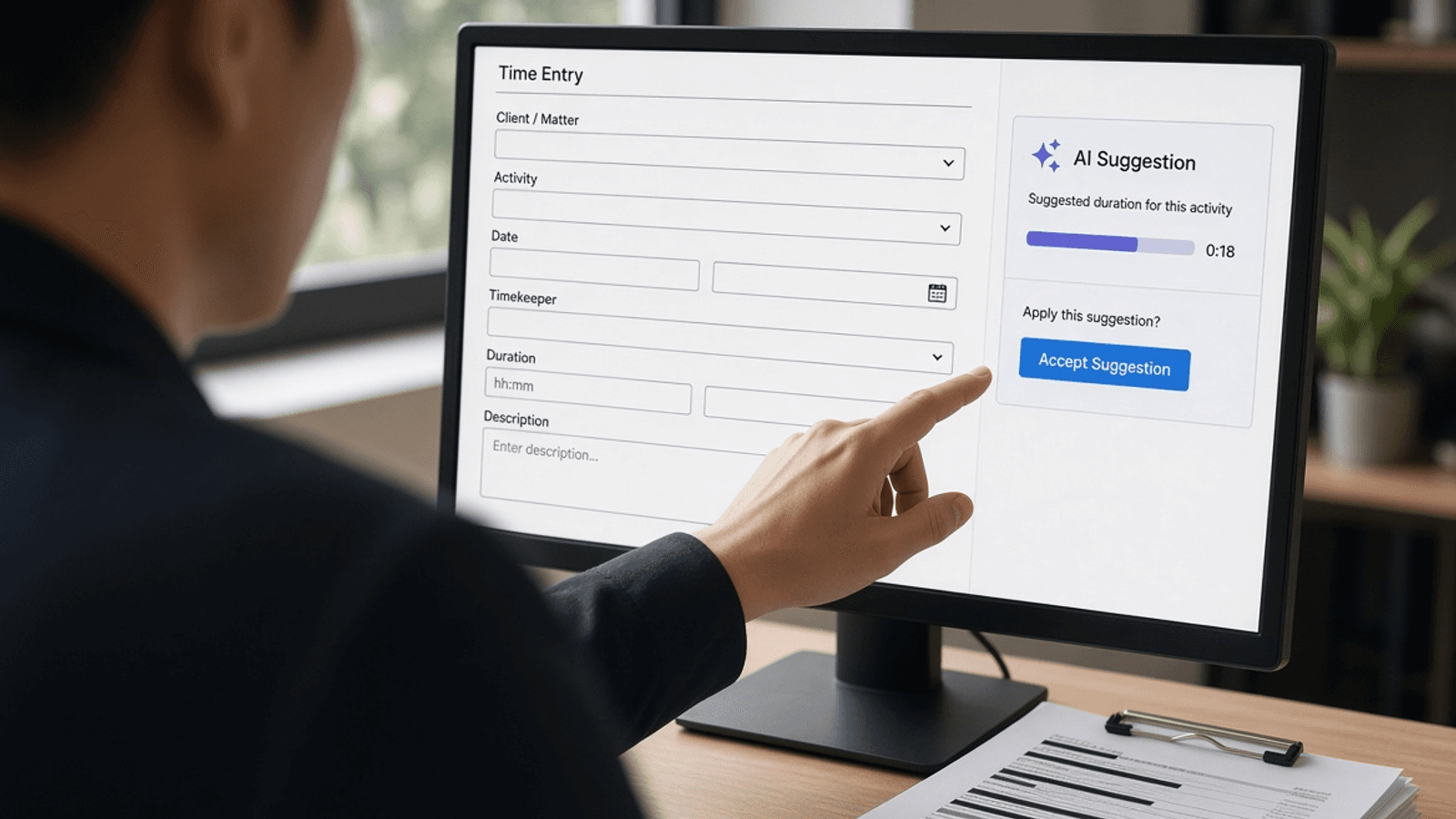
AI and the billable hour
AI is shrinking the time some professional work takes, and that raises new questions about the billable hour. This piece looks at what the research says about AI and billable hours in Australian firms, what regulators expect, whether six-minute units still make sense, and how a firm can start thinking about the value of its work as well as the time it took.
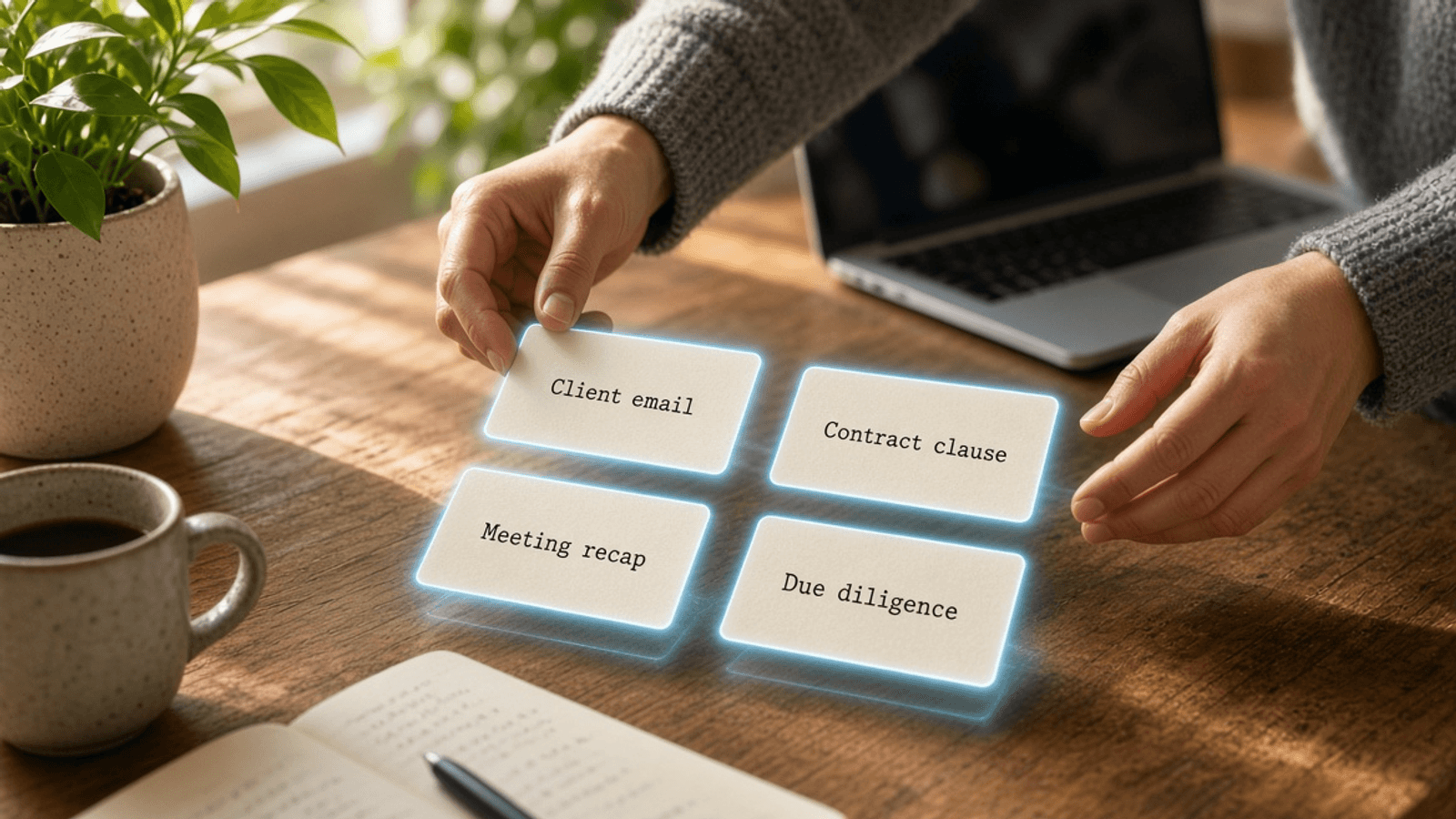
Managing your AI prompt library
People across professional firms have worked out prompts that give them good results, and those prompts tend to stay with the person who wrote them. This piece looks at what a prompt library is and how a firm can set one up.
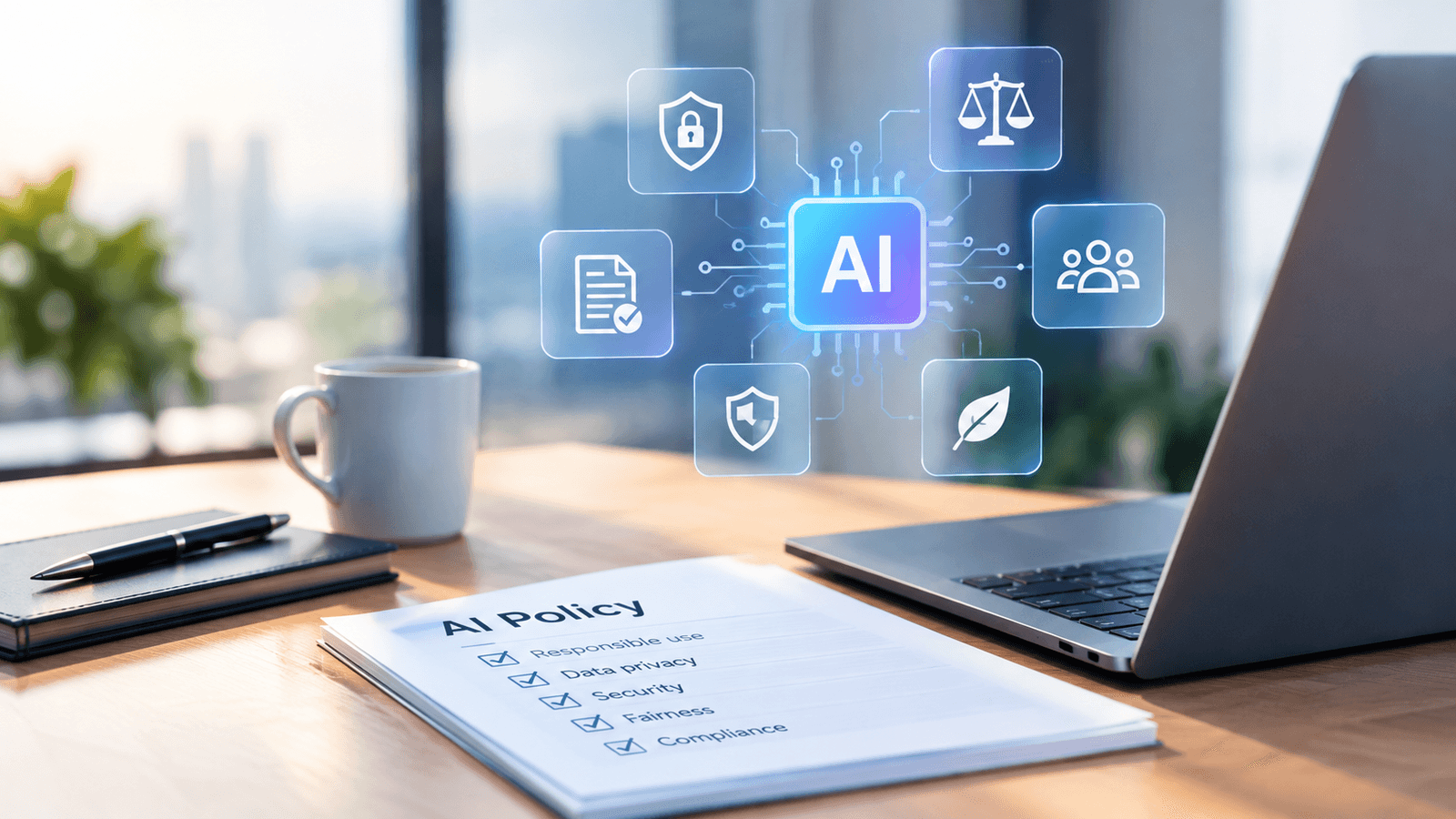
A policy that says yes
An AI policy sets out how people in a firm can use AI in their work, and an AI strategy names the work the firm wants AI to help with. This piece looks at what each one is, what regulators and professional bodies ask of firms, what the research says about people who are unsure what they are allowed to do, and how to write a draft policy that lets people use AI openly and with confidence.

AI and the right to disconnect
Australia's right to disconnect lets employees refuse to monitor, read or respond to contact outside their working hours, unless refusing is unreasonable. AI agents can now keep working through the night, so work can carry on after the people who set it going have stopped. We look at what the law says, how AI fits with it, and five decisions that help the people in a firm switch off at the end of the day.

Sorry, what's an agent?
A plain-English glossary of 20 entries on the AI terms that come up at work, from agent and hallucination to the .md and JSON files AI tools produce. Each entry says what the word means and where it shows up in a firm's work. The piece also looks at how familiar Australians are with the language of AI, and how a firm can keep a shared vocabulary of its own.

Building a Confident AI Team
Confidence with AI tends to sit unevenly across a firm, with a few people out in front and many more unsure where to start. This piece covers what the research says about how people feel about AI in the workplace, why uneven confidence matters for a firm, what a confident team looks like, and where that confidence comes from.

Running your AI audit at your firm
An AI audit lists the AI already in use inside your firm: which tools, used by which people, on what work, and whether any of them hold client information. This piece covers what an AI audit is and how to run the basic version yourself.

Working Smarter with AI, not just faster
AI is saving people in firms real time, and most are putting it straight back into other work. What the research says, and what to do with it.

Making AI training part of your onboarding
New starters often arrive having used AI at university or at another firm. This piece looks at what they bring with them, and how a page in the induction pack can show them how the firm uses AI.